
Free delivery for orders above 500 SAR in Riyadh

What is Vaping ?

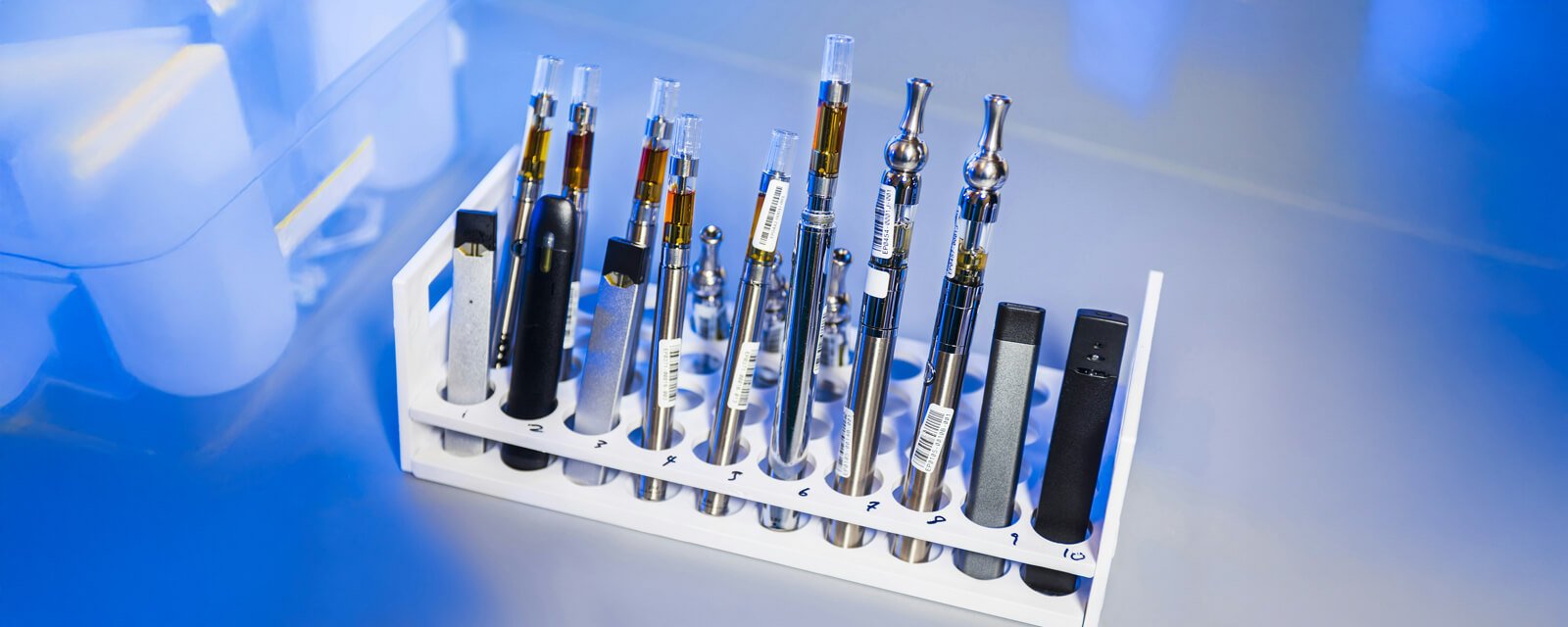
What is Vaping? And What is the Meaning of Vape? The Comprehensive 2026 Guide
With the widespread adoption of smoking alternatives, the most common question is: What is vaping? And does it differ from traditional smoking? We often hear terms like "Vape," "Disposable," or "Pod System," and many wonder about the meaning of vape both linguistically and technically. In this 2026 reference guide, we dive deep into the details to explain everything, from device mechanics and E-liquid ingredients like Salt Nicotine, to the latest health studies.
Table of Contents
- Chapter 1: What is the Meaning of Vape? Definition & Concept
- Chapter 2: How Does Vaping Work? Engineering Anatomy
- Chapter 3: Hidden Chemistry... What Do We Inhale?
- Chapter 4: Device Types (Mods, Pods, Disposables)
- Chapter 5: Vaping vs. Smoking (Medical Facts)
- Chapter 6: Your Practical Beginner's Guide
- Frequently Asked Questions (FAQ)
Chapter 1: What is the Meaning of Vape? Definition & Concept
To accurately understand what is vaping, we must first clarify the term itself. The meaning of vape is derived from the word "Vapor." Thus, "Vaping" refers to the process of vaporization or inhaling vapor.
Unlike traditional cigarettes that rely on "Combustion" to produce smoke, the core meaning of vape lies in heating a specific liquid to its boiling point to turn it into an aerosol that is inhaled. This technical difference is the dividing line between inhaling thousands of toxic substances from burning tobacco and inhaling less harmful nicotine vapor.
Chapter 2: How Does Vaping Work? Engineering Anatomy
When asking what is vaping from an engineering perspective, the answer is a precisely designed simple electrical circuit. All devices, from the smallest pen to the largest e-shisha, consist of three main parts working in harmony:
- The Battery: The power storage. Modern 2026 batteries come with advanced protection systems to prevent explosions or short circuits and support fast charging (Type-C).
- Tank/Pod: The part responsible for holding the E-liquid. In modern systems, these are made from heat-resistant and corrosion-resistant medical-grade materials.
- The Coil: The beating heart of the device. It consists of a metal wire (or Mesh) surrounded by organic cotton. When activated, the cotton absorbs the liquid, and the wire heats up to vaporize it instantly.
Chapter 3: Hidden Chemistry... What Do We Inhale?
A key part of knowing what is vaping is knowing what goes into your lungs. E-liquid consists of four main chemical ingredients:
- Vegetable Glycerin (VG): A thick substance derived from vegetable oils. It is responsible for producing the dense white clouds we see. Higher VG means more vapor and a smoother hit.
- Propylene Glycol (PG): A thin, colorless liquid used in asthma inhalers and food industries. Its function is to carry flavor and provide the "Throat Hit" that mimics smoking.
- Flavors: Food-grade flavors specifically manufactured to be inhalable (fruits, desserts, tobacco).
- Nicotine: Optional, and comes in two types:
- Freebase: Pure nicotine, gives a strong throat hit, suitable for e-shisha (Mods).
- Salt Nicotine (Salt Nic): Treated nicotine to be very smooth and fast-absorbing, the ideal choice for heavy smokers wanting to quit.
Chapter 4: Device Types in the Market
The meaning of vape expands to include several types of devices, each meeting a different need:
1. Disposable Vapes
Pre-filled and pre-charged devices, ready to use out of the box. Disposable Vapes are the easiest gateway for beginners who want to try vaping without dealing with maintenance and coil changes.
2. Pod Systems
Pod Systems are small, refillable devices. They are very economical and typically used with Salt Nicotine liquids to offer an experience very similar to traditional cigarettes in terms of vapor amount and nicotine concentration.
3. Mods (E-Shisha)
Large, powerful devices that produce massive amounts of vapor. Suitable for hobbyists and those who prefer dense flavors and low nicotine (3mg).
Chapter 5: Vaping vs. Smoking (Medical Facts)
The most important question is not just what is vaping, but is it safe? The accurate scientific answer is: Vaping is not 100% safe, but according to Public Health England (PHE), it is 95% less harmful than traditional smoking.
The reason lies in the absence of tar, carbon monoxide, and thousands of carcinogens produced by burning tobacco. However, non-smokers are advised never to start vaping to avoid nicotine addiction.
Chapter 6: Your Practical Beginner's Guide
If you are a smoker deciding to switch, understanding the correct meaning of vape starts with choosing the right device for your habit:
| You Smoke... | Suggested Device | Nicotine Type |
|---|---|---|
| 20+ cigarettes/day | Pod System or Disposable | 50mg Salt Nic |
| 10-20 cigarettes/day | Pod System | 20mg - 30mg Salt Nic |
| Traditional Shisha | Mod Device | 3mg - 6mg Freebase |
Frequently Asked Questions
What is vaping in short?
Vaping is using an electronic device to vaporize a liquid typically containing nicotine and flavor, as an alternative to smoking.
What is the meaning of vape linguistically?
The word Vape is short for "Vaporize," referring to the absence of smoke or combustion in the process.
Which is better: Disposables or Pods?
Disposables are easier for beginners, while Pod Systems are more economical in the long run.